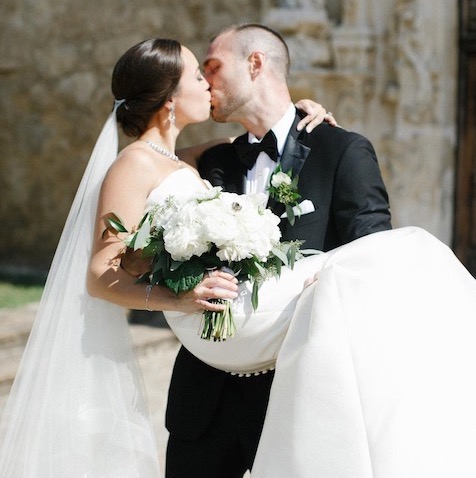
.jpeg) A beautifully executed wedding may appear effortless, but behind that sense of ease is an extraordinary amount of planning, creative direction, collaboration, and production.
A beautifully executed wedding may appear effortless, but behind that sense of ease is an extraordinary amount of planning, creative direction, collaboration, and production.For couples investing in a highly personalized wedding experience, hiring a qualified wedding planner is not simply about staying organized. It is about having an experienced professional who understands the complete picture—someone who can guide the planning process, develop a cohesive design, assemble and direct the right creative partners, anticipate challenges, and ultimately bring hundreds of individual decisions together into one beautifully orchestrated celebration.
At VOLARE Planning & Design, we believe these elements are inherently connected. For that reason, we have intentionally evolved our services to focus exclusively on Full Service Wedding Planning, Design & Production.
This approach allows us to serve our clients at the highest level while protecting the integrity of both the planning experience and the wedding itself.
Wedding Planner, Designer & Coordinator: Understanding the Difference
Although the terms wedding planner, wedding designer, and wedding coordinator are sometimes used interchangeably, they represent very different levels of involvement.
A wedding planner is involved from the earliest stages of the planning process, helping establish priorities, develop budgets, identify and secure the appropriate creative partners, review contracts, navigate logistics, manage guest experience, and guide the countless decisions required to produce a wedding.
An experienced planner also serves as an advocate and trusted advisor throughout the process. Rather than simply checking items from a list, the planner considers how every decision affects the celebration as a whole—from the flow of the weekend and guest transportation to entertainment, catering, photography, floral installations, rentals, and production logistics.
A wedding coordinator, by comparison, typically enters the process much later. Coordination or wedding management is generally focused on organizing plans that have already been made, creating the final wedding-day timeline, communicating logistical details to vendors, and overseeing execution on the wedding day. That distinction is important.
Coordination can help manage an existing plan. Full service planning helps create the plan in the first place.
The Role of Wedding Design
Wedding design extends far beyond selecting colors, flowers, or linens.
Exceptional design begins with understanding the couple—their personalities, priorities, story, setting, and the way they want their wedding to feel. From there, a visual language begins to emerge through architecture, florals, furnishings, textiles, lighting, stationery, tabletop selections, custom installations, and thoughtful details.
The most memorable weddings are rarely created from a collection of individually beautiful ideas. They are created through cohesion.
Every element should feel as though it belongs to the same story.
For this reason, design cannot exist entirely independently from planning and production. A floral installation may influence lighting requirements. A custom bar may affect a floor plan. A tented celebration may require power, flooring, climate control, permitting, and additional infrastructure. Entertainment choices can affect staging, electrical requirements, sound, and the overall flow of the evening.
Beautiful ideas must also be beautifully produced.
Why We Combine Planning, Design & Production
As our work has evolved, so has our philosophy.
We have learned that the greatest value we can provide our clients comes from being involved from the beginning, when the foundational decisions are being made, through the final moments of the celebration. And, that is what we exclusively offer Full Service Wedding Planning, Design & Production.
Rather than separating planning, design, and execution into individual services, we approach the wedding as one complete experience. We guide the logistical framework. We develop the creative vision. We collaborate with the vendor and creative team. We oversee the production required to bring that vision to life.
And when the wedding weekend arrives, we are there with an experienced team to ensure the months of planning translate seamlessly into the experience our clients envisioned.
This continuity allows us to understand not only what has been planned, but why each decision was made. It allows us to anticipate needs, protect the design, communicate more effectively with vendors, and provide our clients with a much greater level of support.
The Venue Coordinator: An Important Distinction
One of the most common misconceptions in wedding planning is that a venue coordinator eliminates the need for a professional wedding planner.
Venue coordinators are valuable partners, and we work closely with them throughout the planning and production process. However, their responsibilities are fundamentally different.
A venue coordinator represents the venue. Their responsibilities generally center around the property, including venue policies, contracted services, access, safety, catering or beverage operations when applicable, and the use of the space.
A wedding planner will communicate across the complete vendor team, manage the broader planning process, develop and protect the design vision, oversee the wedding-day timeline, anticipate logistical challenges, and ensure the many independent professionals involved in the celebration are working toward one cohesive result.
The strongest weddings are produced when the planner, venue team, and creative partners work collaboratively—each bringing their expertise to the table.
The Wedding Day Timeline Is Only the Beginning
A detailed wedding day timeline is essential, but sophisticated wedding production involves considerably more than determining what happens at 4:00, 5:00, or 6:00.
Behind the primary timeline may be additional schedules for photography, beauty, transportation, entertainment, catering, floral installation, rentals, lighting, load-in, setup, room transitions, and breakdown.
There are also hundreds of details that never appear on a couple’s timeline at all.
When should the photographer arrive relative to hair and makeup completion? When can floral installations begin? Has the band completed soundcheck before guests enter the space? When are personal flowers delivered? Who has the marriage license? When are transportation vehicles staged? When does lighting need access? Who confirms that every place card, menu, candle, chair, and table number is precisely where it belongs?
True wedding production is the orchestration of all of these moving pieces so that the guest experiences none of the complexity behind them. They simply experience a beautiful evening.
Why Full Service Planning Is Different
For our clients, full service planning is ultimately about more than convenience. It is about stewardship.
Our couples are making a significant investment in their wedding, and our responsibility is to thoughtfully guide that investment, while helping them determine where details will have the greatest impact, surrounding them with talented and trusted professionals, and ensuring the celebration reflects both their priorities and the level of experience they want to provide their guests.
It also allows us to know our clients deeply enough to make thoughtful decisions on their behalf when necessary.
By the time the wedding arrives, we have spent months understanding the people, priorities, personalities, and intentions behind the celebration. That knowledge becomes invaluable when something unexpected occurs and a decision needs to be made quietly and quickly.
Our clients should not have to solve problems on their wedding day. That is our job.
A More Intentional Way to Plan
There will always be different approaches to wedding planning, and the appropriate level of support depends upon the celebration and the couple.
For VOLARE, however, our decision to specialize exclusively in Full Service Wedding Planning, Design & Production was intentional.
We believe our best work happens when planning, aesthetics, logistics, guest experience, and production are considered together rather than separately.
It allows us to provide the thoughtful service our clients deserve, gives our creative partners the direction they need to do exceptional work, and enables us to produce weddings that feel cohesive from the first impression to the final departure.
Because true luxury is not simply how a wedding looks. It is how thoughtfully it has been considered, how beautifully it has been executed, and how effortless it feels to the people experiencing it.